Schedule

Flight

Accommodation

Infos
CONFERENCE SCHEDULE
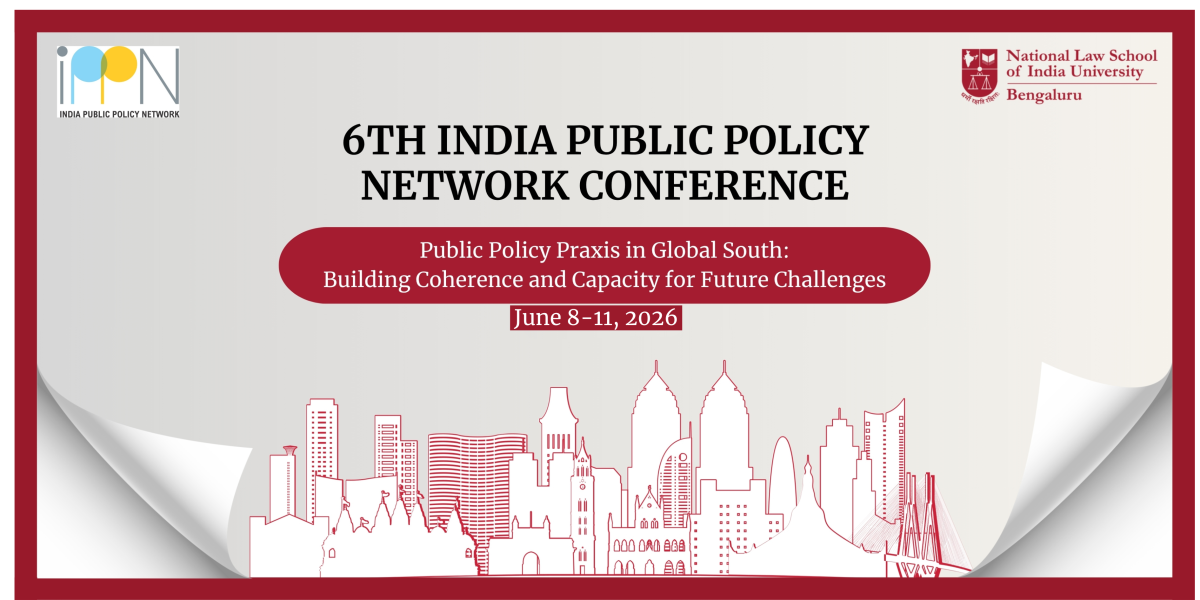
8th June 2026 (Monday): Pre-conference with master classes on methodologies for early-career researchers
9th June 2026 (Tuesday): Day 1 of the conference (full day)
10th June 2026 (Tuesday): Day 2 of the conference (full day)
11th June 2026 (Tuesday): Day 3 of the conference (half day)
Conference tracks
Conference Tracks
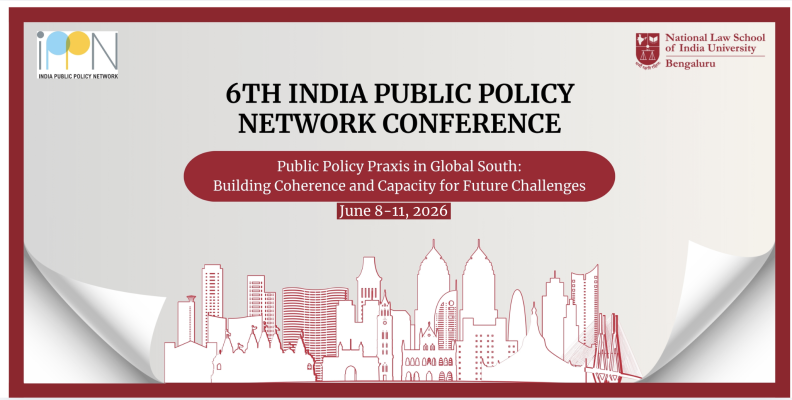
The conference will be structured around three central tracks:
1. Teaching Track
Panels within this track will examine how law and public policy are taught in developing economies, with a focus on curriculum design, pedagogy, and the integration of emerging issues such as technology, sustainability, and inequality. Discussions will include the challenges of interdisciplinary teaching, the use of case-based and experiential learning, and how to prepare students for careers at the intersection of law, governance, and policy. The teaching track will also explore how new technologies—AI, online learning, and digital classrooms—are reshaping the delivery of legal and policy education.
Some possible teaching-related questions can include the following:
- What are the kinds of learning outcomes expected beyond disciplinary foundations?
- How have experiential learning components been designed that are not necessarily focussed on empirical reporting and for academic research?
- How do programmes balance generalist teaching and sectoral depth?
- What are the pedagogical approaches being used to incorporate heterodox approaches that can overcome disciplinary boundaries?
- What kinds of innovations have been tried in assessment, concept building, application ability to meet learning requirements?
- How is public policy praxis in India being taught that makes it distinct from standard western approaches to teaching Public Policy?
2. Research Track
This track will focus on academic scholarship addressing the governance challenges of developing economies. Papers and panels will explore methodological innovations in studying law–policy intersections, comparative governance in the Global South, and the role of interdisciplinary frameworks. Key themes include technological governance, digital inequality, climate change, urban transformation, and human rights in digital spaces. The research track will highlight how developing economies are not only case studies but also producers of theoretical insights that can shape global debates.
Some illustrative questions could include the following:
- What are the challenges to policymaking for sustainability in India and how can they be addressed?
- How do law and policy interact in the face of uncertainty?
- What are the emerging policy issues within sectors that require further research? What lessons can be drawn from comparative studies of governance in the Global South?
- What has been the impact of networks and actors on governance?
- How can developing economies balance innovation and regulation in policymaking?
- What are some new concepts and methodologies that are relevant to public policy research in India?
3. Practice Track
This track will bring together policymakers, practitioners, lawyers, and civil society actors to discuss how law and policy reforms are implemented in practice. It will highlight real-world innovations such as e-governance platforms, fintech regulation, community-driven governance, smart city initiatives, and dispute resolution mechanisms. Panels will emphasize lessons learned from the field, including both successes and failures, and explore how legal frameworks can be made more adaptive, participatory, and responsive to local contexts.
- What interventions have worked and what have not and why?
- How do legal practitioners address public policy challenges?
- How do policy practitioners understand and address the legal dimensions of policy?
- What areas of research do practitioners expect from the academic community?
- How can we explore and consolidate collaborative practices between academia, law, and the policy community?
In addition to the afore-mentioned issues, we invite panels that cover but are not limited to, the themes listed. We invite scholars from diverse disciplines and practitioners to present their work or curate panels on various sectoral and thematic issues with implications for policy and law.

INTERNATIONAL PUBLIC POLICY ASSOCIATION
LAET-ENTPE, 3 Rue Maurice Audin
69120 Vaulx en Velin, France
Tel. +33 (0) 72 04 72 53
contact@ippa-pp.org


