ACTIVITIES & PROGRAM
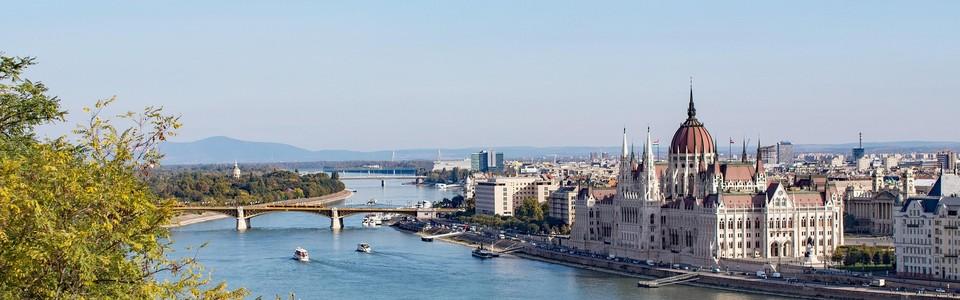
IPA 2027 Europe brings together the interpretive policy analysis community in Budapest (13–15 January 2027) for three days of plenary sessions, thematic workshops, critical-interpretive research labs, field visits, and an ethnographic walk through the city.
ACTIVITIES & PROGRAM
We are carefully preparing the program to encourage rich exchanges, lasting connections, and new collaborative outputs. We aim to enable a strong connection between the conference and the city of Budapest, the Hungarian context, and the state of the world.
| Period | Wednesday 13 January |
Thursday 14 January |
Friday 15 January |
|---|---|---|---|
|
Morning
9:00 – 12:00
|
Plenary
Opening
|
Site visits (optional - to book upon registration)
|
Labs
Parallel labs
|
|
Afternoon
13:00 – 17:00
|
Workshops
Parallel workshop
sessions |
Workshops
Parallel workshop
sessions |
Workshops
Parallel workshops (2hrs)
& Closing plenary (2hrs) |
|
Evening
17:00 – 19:00
|
Welcome reception at DI | Workshop dinners (to be organized by chairs) | End |
Get to know our main activities:
1. Opening and closing plenary sessions: bringing together leading scholars from our community and the Hungarian context to set an agenda for our critical-interpretive community during and beyond the conference. We will also connect with colleagues from the Brazilian and Australian editions of the IPA conference to enhance global dialogue and collective learning.
2. Thematic workshop sessions: five parallel workshop sessions will bring together diverse scholars to share their work-in-progress, offer constructive feedback, and develop shared outputs.The number of workshops and participants will be limited in order to ensure meaningful engagement and generate both individual and collective benefits.
3. Critical-interpretive research labs: up to three interactive sessions facilitating honest dialogue and critical reflection on key elements of critical-interpretive research, such as teaching, publishing, and obtaining funding for critical-interpretive research.
4. Field visits: offering the opportunity to engage with local groups and organizations at the forefront of the struggle to advance democracy, equality, justice, and sustainability. Far from ‘academic tourism’, these visits will be structured and facilitated to generate meaningful insights and support for the local groups and organizations.
5. Ethnographic walk through Budapest: inviting participants to explore the intersections between urban politics, democracy, and equality through situated, collective inquiry.
CONFERENCE FEES WILL BE ANNOUNCED SHORTLY.
Should you have any questions, please send an e-mail to: Ipaeur2027@gmail.com
Field visits
We are currently organizing a couple of field visits. The following are meant to give you a peak preview of what to look forward to:

INTERNATIONAL PUBLIC POLICY ASSOCIATION
LAET-ENTPE, 3 Rue Maurice Audin
69120 Vaulx en Velin, France
Tel. +33 (0) 72 04 72 53
contact@ippa-pp.org


