
Pobsook Chamchong's course
Pobsook Chamchong (Chiang Mai University)
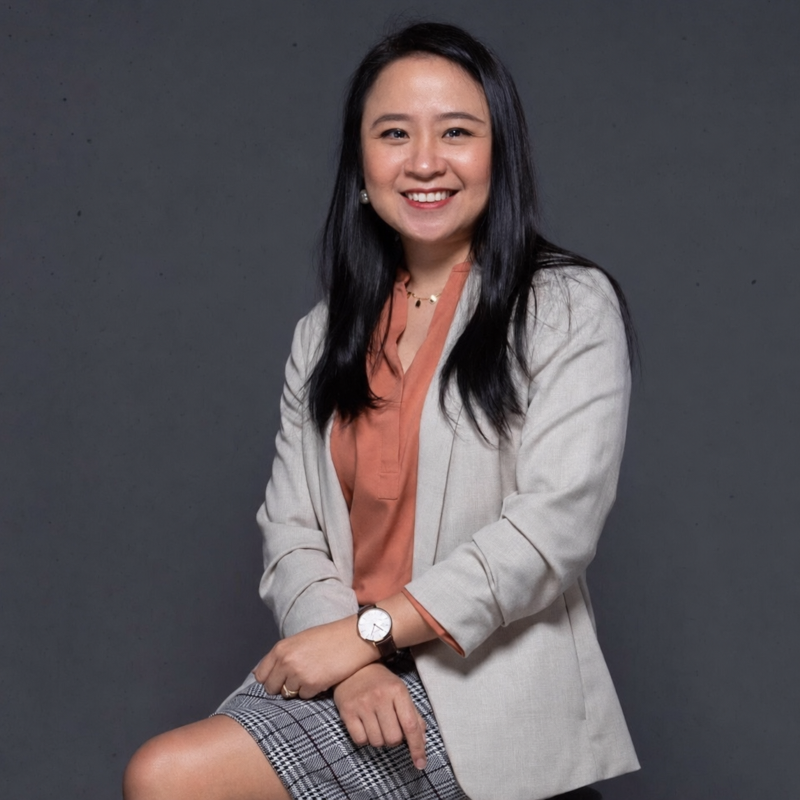
Course: Policy Innovation and Policy Labs: Cultivating Generative Policy Ecosystems
Contemporary policy challenges are increasingly complex, uncertain, and cross-boundary. Issues such as mental wellbeing, health and mobility, social protection, urban transformation, and social justice cannot be addressed through linear policy processes or expert-led solutions alone. They require more inclusive, adaptive, and context-sensitive approaches that enable diverse actors to collectively frame problems, imagine alternatives, and co-create innovative policy solutions.
This course introduces participants to policy innovation and policy labs as approaches to public policy design and governance, with particular attention to how they are understood and practised in Asia and the Global South. It focuses on how policy ecosystems can become more generative through co-creation, deliberation, and policy learning. Building on and extending the Multiple Streams Framework and the concept of policy entrepreneurship, the course introduces the role of Policy Innovation Cultivators: actors who create platforms for co-creation, bridge vertical relationships, bond diverse policy actors, and enable innovative policy ideas to emerge within complex and often hierarchical policy settings.
The course combines conceptual discussion with practical methods for innovative policy design. Participants will explore how futures thinking and foresight can be used to examine uncertainty and develop alternative policy possibilities. They will also be introduced to selected design thinking tools, particularly personas and journey mapping, as methods for understanding lived experiences, reframing policy problems, and developing more human-centred and inclusive policy ideas. Particular attention will be given to policy learning, socio-cultural contexts, and the co-evolution of ideas, actors, and institutions. Through lectures, discussions, case examples, and applied exercises, drawing on research and consultancy projects in Asian and Global South contexts, as well as international work on health and wellbeing for mobile populations, the course encourages participants to reflect on how policy innovation is shaped by context, power relations, institutional arrangements, and local meanings. It is designed for participants who wish to deepen their understanding of policy innovation while gaining practical tools for designing inclusive, deliberative, and contextually grounded policy solutions.

INTERNATIONAL PUBLIC POLICY ASSOCIATION
LAET-ENTPE, 3 Rue Maurice Audin
69120 Vaulx en Velin, France
Tel. +33 (0) 72 04 72 53
contact@ippa-pp.org


