ACTIVITIES & PROGRAM
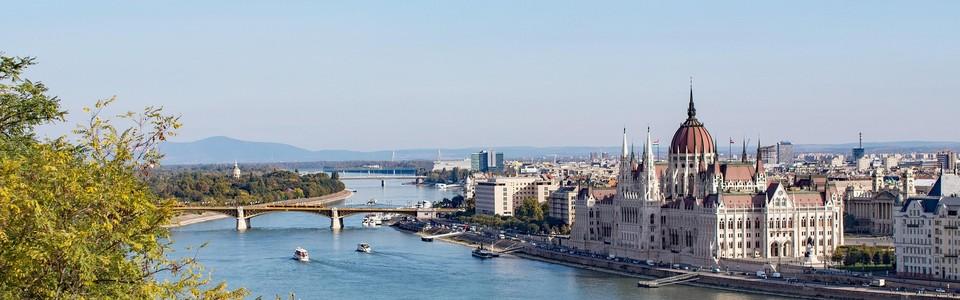
IPA 2027 Europe brings together the interpretive policy analysis community in Budapest (13–15 January 2027) for three days of plenary sessions, thematic workshops, critical-interpretive research labs, field visits, and an ethnographic walk through the city.
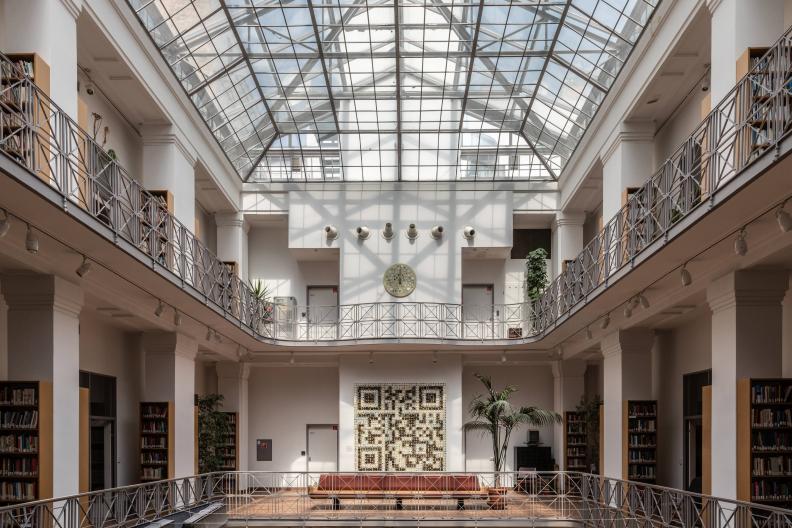
The conference will take place at the CEU Democracy Institute - Nádor u. 15, 1051, Budapest, Hungary.
ACTIVITIES & PROGRAM
We have carefully prepared a program that will encourage rich exchanges, lasting connections, and new collaborative outputs. We aim to enable a strong connection between the conference and the city of Budapest, the Hungarian context, and the state of the world.
Program at a glance
| Period | Wednesday 13 January |
Thursday 14 January |
Friday 15 January |
|---|---|---|---|
|
Morning
9:00 – 12:00
|
Plenary
Opening
|
Field visits (optional - to book upon registration)
and creative & career development activities
|
Labs
Parallel labs
|
|
Afternoon
13:00 – 17:00
|
Workshops
Parallel workshop
sessions |
Workshops
Parallel workshop
sessions |
Workshops
Parallel workshops (2hrs)
& Closing plenary (2hrs) |
|
Evening
17:00 – 19:00
|
Welcome reception at DI | Workshop dinners (to be organized by chairs) | End |
Get to know our main activities:
1. Opening and closing plenary sessions: bringing together leading scholars from our community and the Hungarian context to set an agenda for our critical-interpretive community during and beyond the conference. We will also connect with colleagues from the Brazilian and Australian editions of the IPA conference to enhance global dialogue and collective learning.
2. Thematic workshop sessions: five parallel workshop sessions will bring together diverse scholars to share their work-in-progress, offer constructive feedback, and develop shared outputs.The number of workshops and participants will be limited in order to ensure meaningful engagement and generate both individual and collective benefits.
3. Critical-interpretive research labs: four interactive sessions facilitating honest dialogue and critical reflection on key elements of critical-interpretive research, such as teaching, publishing, and obtaining funding for critical-interpretive research.
4. Field visits: offering the opportunity to engage with local groups and organizations at the forefront of the struggle to advance democracy, equality, justice, and sustainability. Far from ‘academic tourism’, these visits will be structured and facilitated to generate meaningful insights and support for the local groups and organizations.
5. Space to meet and connect: opportunities to meet people are just as important as the substantive part of a conference. Known for its warm and inclusive atmosphere, the IPA conference will include a range of moment and spaces to enable early career researchers and newcomers to feel welcome and make connections, as well as for those returning to IPA to meet old friends and make new ones. We are organising an informal pre-conference drink at Gólya Presszó, a pub and community center located in Budapest's 8th district, on Tuesday 12 January (5pm), a welcome reception at the Democracy Institute on Wednesday 13 January (5-7pm), and creative & career development activities on Thursday 14 January (9-12am). In addition, workshop chairs will organise group dinners for participants in their workshops Thursday 14 January.
Detailed programme
Tuesday 12 January
17.00 Pre-conference drinks @ Golya
Wednesday 13 January
8-9 Welcome and registration
9-11 Opening plenary
11-11.30 Break
11.30-13 Workshops session 1
13-14 Lunch
14-15.30 Workshops session 2
15.30-15.45 Break
15.45-17.15 Workshops session 3
17.15-18.30 Welcome reception at Democracy Institute
Thursday 14 January
9-12 Field visits (optional) + creative and career development activities
12-13 Lunch
13-14.30 Workshops session 4
14.30-14.45 Break
14.45-16.15 Workshops session 5
16.15-16.45 Break
16.45-18.15 Workshops session 6
From 18.30 Workshop dinners (arranged by organisers)
Friday 15 January
9-10.30 Labs part 1
10.30-11 Break
11-12 Labs part 2
12-13 Lunch
13-14.30 Workshops session 7
14.30-14.45 Break
14.45-16.45 Closing plenary
Questions
Should you have any questions, please send an e-mail to: ipaeur2027@gmail.com
Field visits
We are currently organizing a couple of field visits. The following are meant to give you a peak preview of what to look forward to:

INTERNATIONAL PUBLIC POLICY ASSOCIATION
LAET-ENTPE, 3 Rue Maurice Audin
69120 Vaulx en Velin, France
Tel. +33 (0) 72 04 72 53
contact@ippa-pp.org


